Painting Myself Back into My Novel
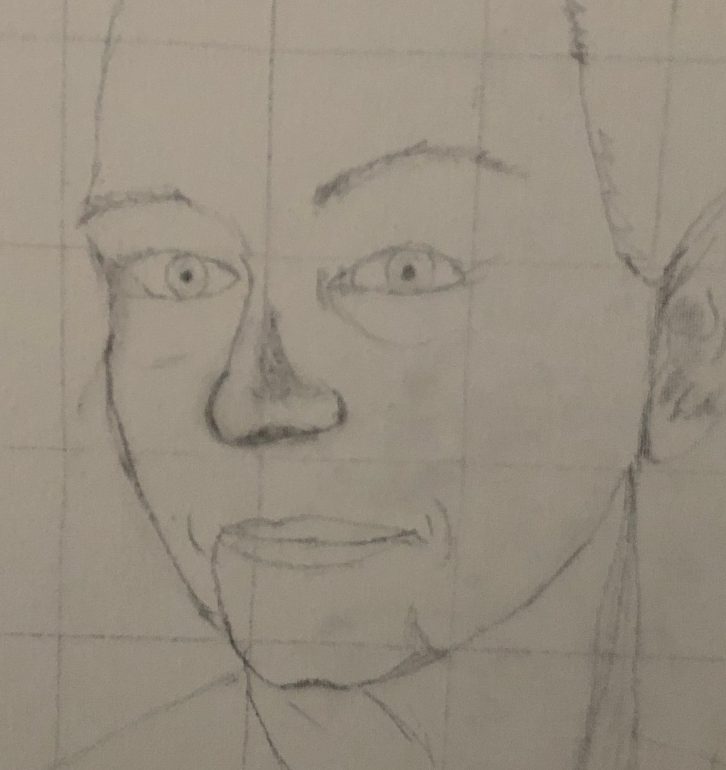
–After completing the first draft of my novel last summer, I visited an art gallery where I was captivated by a portrait staring at me—forcing me to consider the ineffable je ne sais quoi of a human essence.
A friend walking with me saw the look on my face and said: “Don’t do it,” as we walked from the art gallery into the attached classrooms. “Remember the November Novel you never went back to?”
(It’s true. I still haven’t opened the 50,000-word draft I finished one year for the global November Novel writing challenge.)
But I did it anyway—signed up for a painting class, hoping a new artistic medium would unlock something in my brain before I tackled the second draft of my novel, which felt… impossible.
I was stuck. Could another form of art help?
Six weeks of painting later, I returned to my novel with fresh eyes and new insights. What I learned might help answer some of the most Googled questions about writing a novel.
1. How do I start writing my novel?
My first painting assignment was simple: Get something on the canvas.
“I want to see what you have to work with,” my teacher said.
“Yikes,” I thought, as I felt performance anxiety grip me.
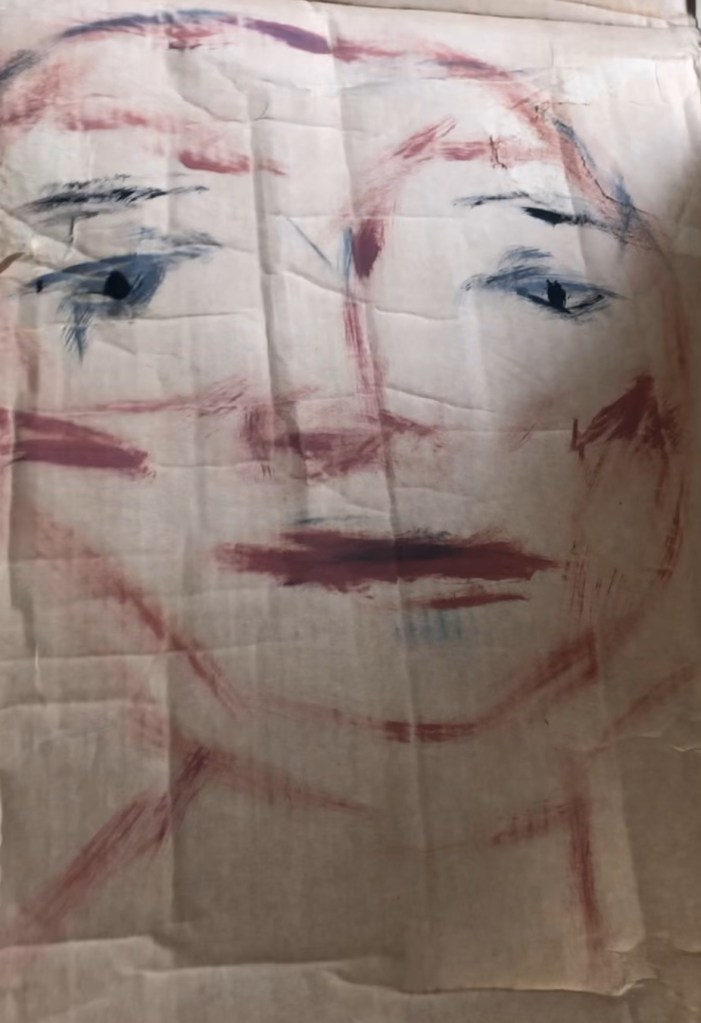
something like this…
Painting was a completely new art form for me. I had no experience, no expectations, no pressure—just a blank canvas and permission to experiment. I dipped a tiny brush in Prussian blue and started with an eye. Then another. A mouth, a nose. I had no plan. I just put something on the page.
When I opened my novel again, I realized I had to give myself the same freedom. Instead of agonizing over the “perfect” revision, I started playing with my protagonist. I wrote her into new situations. Gave her dialogue. Let her surprise me.
The key to starting isn’t about knowing everything—it’s about having something to work with.
2. How do I make my characters feel real?
In my painting class, I learned that creating a portrait wasn’t just about getting the features right. It was about seeing—not just with my eyes, but with my heart and my gut. I took close-up photos of myself in different lighting, studying how shadows played across my face.
The painter David Hockney once said photographs capture a fixed and limited perspective. Paintings can do things photography can’t. “All photographs share the same flaw,” he said: “lack of time.”
True for a novel, as well, which takes an astonishing amount of time.
When I looked back at my protagonist, she felt… flat. She lacked quirks. She lacked contradictions. She lacked life.
So I asked: How does she want to be seen?
She wanted to be a little wild. What if I wrote my protagonist in a moment of intense emotion—fury, grief, desire? What if I pushed her to the edge and saw what she did? She became more than just words on a page.
I asked this of the painting.
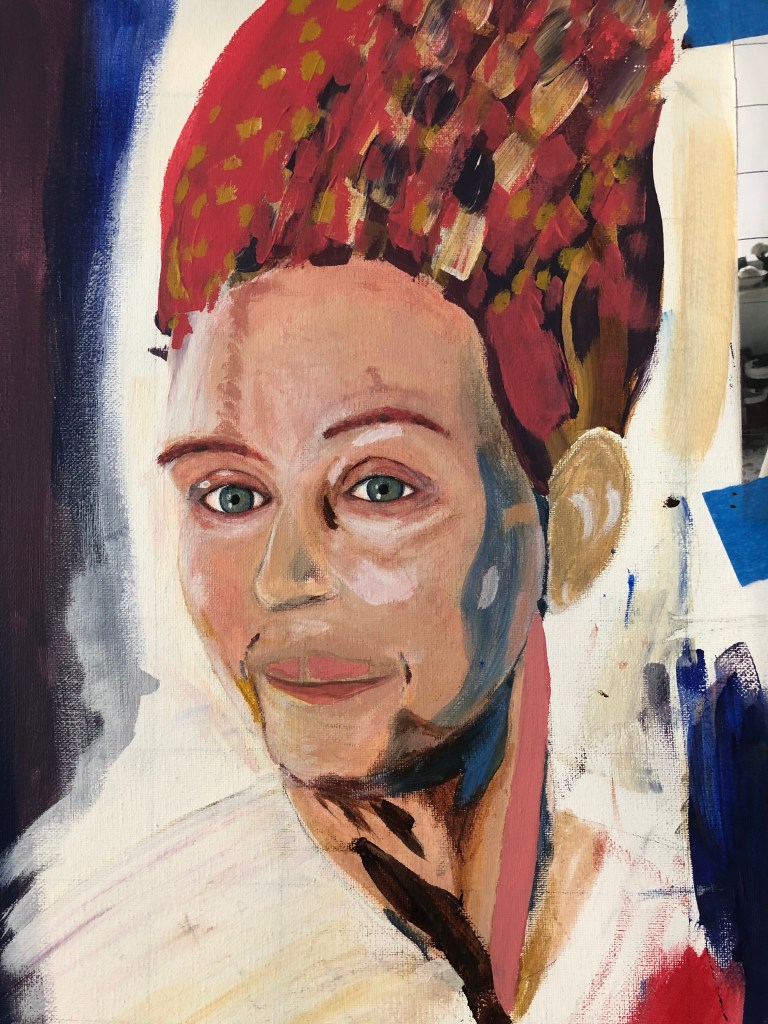
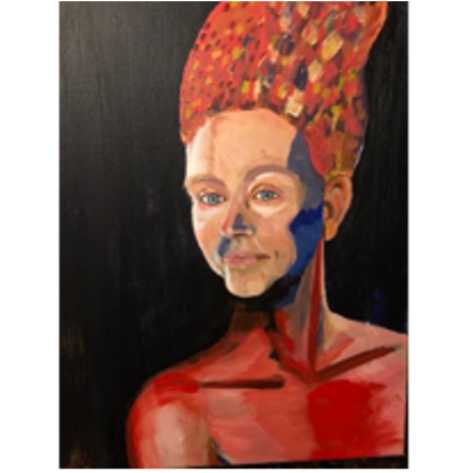
She wanted to be a little red. I made her neck long, I tried a new nose, a new chin. I played around with collarbones.
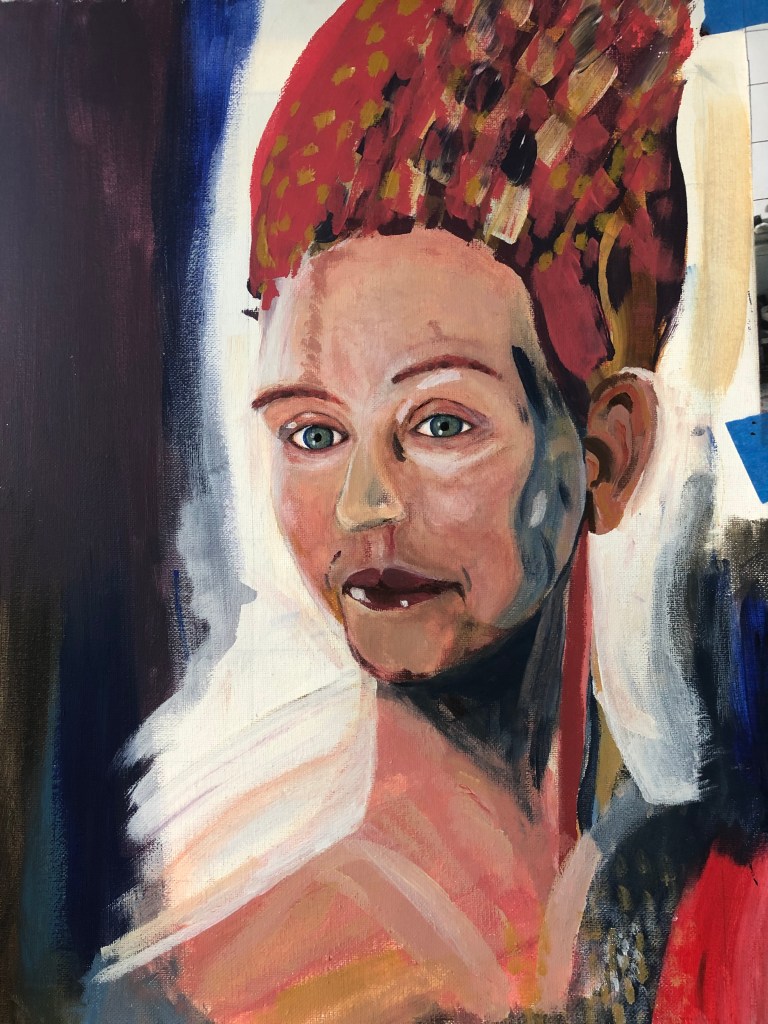
I painted a red heart to show passion and let the color vibrate up her shoulders.
3. How do I fix my messy first draft?
“The hair has to go,” my teacher said, and when I didn’t object, I realized she was right. I had no argument for it.
In painting, layering is key. Researchers found 30 layers of paint beneath the Mona Lisa’s surface. Artists add, erase, and adjust constantly.
When I felt stuck in painting, my teacher encouraged me to try anything to shake up my process. Don’t be afraid of chaos. It’s a part of the process.
David Bowie once said that the best creative work happens when you push yourself just past your comfort zone—when your feet don’t quite touch the bottom.

4. How do I push through writer’s block?
In painting, I pulled out my photos and my sketches. I returned to the bones.
Just as I went back to the basics with my novel. I had mapped character arcs and forced a theme into one sentence. I had sketched my novel in words and pictures onto the back of a desktop calendar. I wrote quotes in colored markers.
I wasn’t “fixing” my novel—I was shaping it.
5. How do I know when my novel is finished?
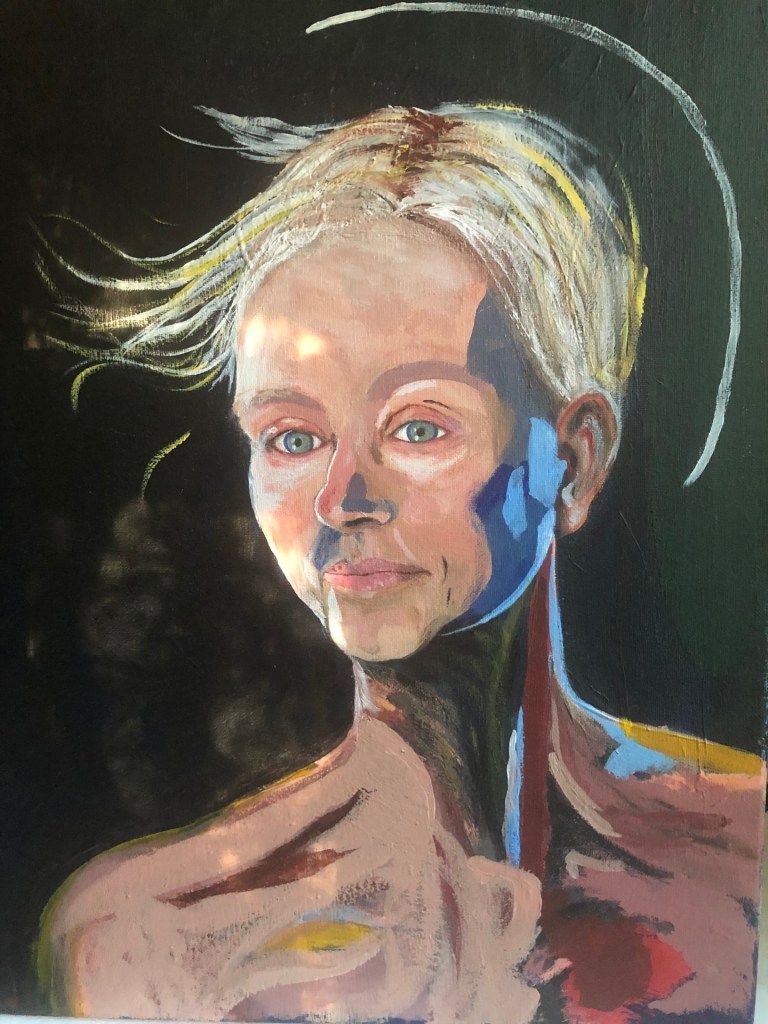
“The eyes aren’t quite right,” my painting teacher said, confirming something I had known and using the word: “foreshortened–a major repair,” she said.
But did I need to repair them? Or was imperfection part of the piece’s truth?
I won’t fix them, I decided, as I feel this facial dissonance in myself; I have never cared much for symmetry. I remembered the words of a makeup artist who told me eyebrows are like sisters, not mirror images.
Besides, there was something satisfying about staring into eyes I painted. They’d been there through many layers of paints, hues and trials.
Back to my novel, I realized that finishing isn’t about perfection—it’s about knowing when you’ve captured the essence of the story you want to tell.
So I set a deadline for another draft of my novel. Three months. My next draft would be messy, but it would be done. And if I needed to learn something new—whether from painting, music, or some other art—I would. Because every creative act, in the end, is about discovery.
 Elisabeth Parker